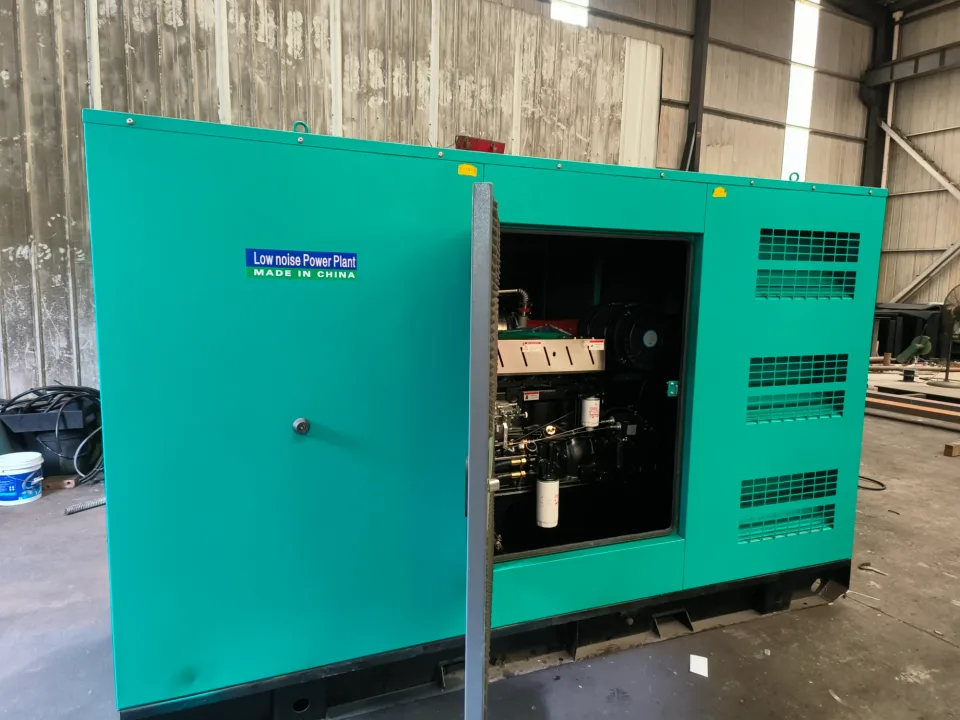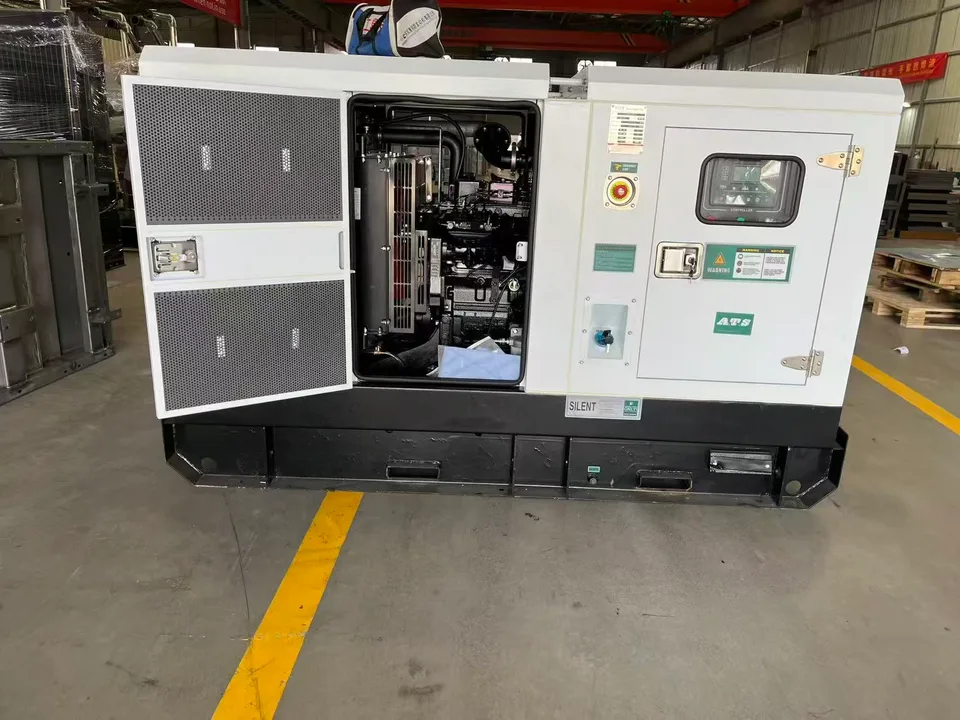
Before making an offer on a used generator, collect its serial number, the available history and a plan for inspection. These give you a way to compare the actual machine with the photographs and the written offer. Keep any gaps visible when agreeing the price and condition.
Start with identity, not appearance
Before price, establish what the machine actually is:
- the full set identity — make, model and serial number, checked against the nameplate physically on the set rather than a listing photo;
- the engine and alternator brands, models and identification plates, rather than only the listing title;
- the rated output and rating category, confirmed from the plates or documentation.
Photographs of a washed unit say little. Ask for dated photos of the nameplates, the controller, and any area the seller claims was recently overhauled. If the serial number cannot be shown on the machine, treat the listing as unverified.
History: what can and cannot be known
Running hours, operating conditions and repair history are the core of a used machine's value — and the hardest facts to confirm. Ask for whatever evidence exists: hour meter readings with dates, maintenance records, previous test documents, and the reason for sale. Then judge the evidence on its own terms: an hour meter can be replaced, records can be partial, and some operating history is simply unknowable.
Where information cannot be verified, carry it as an unknown. Include unverified items when comparing price, inspection costs and the work agreed before collection. Ask the seller to mark unverified information clearly in the written offer.
Arrange an independent inspection
Agree an inspection before shipment, including who performs it, what they check — identity against the plates, external condition, fluid and filter condition, control functions, and any static tests the seller permits — and what access they get. Qualified personnel should carry out running and load checks under agreed conditions.
The inspection report should state what was examined, what was found, and what could not be examined. Keep the agreed scope, findings and limitations together, including a statement when no defect was found.
For running and load checks, agree the test conditions, duration, measurements and acceptance criteria for the particular equipment. A brief start-up demonstrates less than a documented run under the agreed load. Use the factory-test evidence guide to specify the records, without assuming a factory report establishes the remaining life of a used machine.
Contract scope: what you are actually buying
The purchase agreement should separate what is included from what is assumed: the exact equipment and accessories, the stated condition (as-inspected, as-is, or refurbished — and by whom), which parts or repairs the seller has agreed to complete before shipment, and the documents that will accompany the sale. If the seller claims a recent overhaul, the scope of that overhaul and any supporting paperwork belong in the agreement too.
Warranty depends on the particular unit, seller and written terms. Confirm coverage, eligibility, duration, exclusions and the claim route. A new-model catalogue or a warranty offered by another dealer does not establish coverage for this used unit.
Delivery risks on top of the machine's condition
The delivery term matters as much for used equipment as for new. Our quotations are made EXW with a named place under Incoterms 2020: the machine is placed at the buyer's disposal not loaded, and loading, export clearance and onward transport are the buyer's responsibility. Agree any seller assistance separately, including its scope and responsibility. Confirm the packed dimensions, weight and handling arrangements for the actual unit with your forwarder.
Import rules for used machinery vary by destination and change over time. Have your destination broker check whether the used condition, age, technical characteristics or required documents affect eligibility and clearance. Confirm current requirements with your broker and the relevant authorities before committing to the purchase or transport costs.
What the published used-order records show
Our Kenya repeat-purchase record concerns earlier purchases of used Cummins and Weichai units; its third batch is recorded as being at the payment-arrangement stage. The Iranian customer's used 500 kW Cummins set is documented through packing and dispatch to Guangzhou/Foshan in China, with customer receipt unconfirmed. These records describe those transactions and stages. They do not establish the condition, availability or inspection results of another used unit.
For new-build alternatives, the catalogue lists current models; its new-equipment specifications are not specifications for a used unit, and the quotation checklist applies to used quotations too — the same lines go in writing, plus the identity and history checks above.
Send us your requirement
If you are considering a used unit, send us the specification you are looking for and the condition you will accept. We will confirm in writing what is available, the inspection and documentation arrangements, and the EXW scope before any commitment — contact ZHONGCHAI.
Further reading: Cat: questions to ask when purchasing a used generator. The examples and dealer arrangements in that reference are not promises about equipment supplied by ZHONGCHAI.