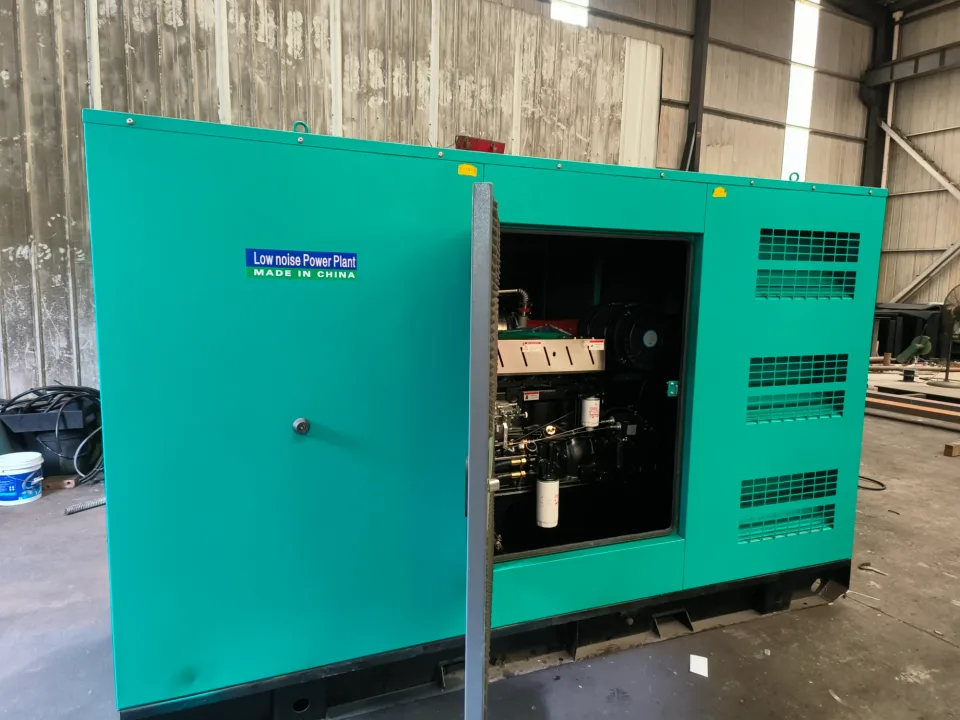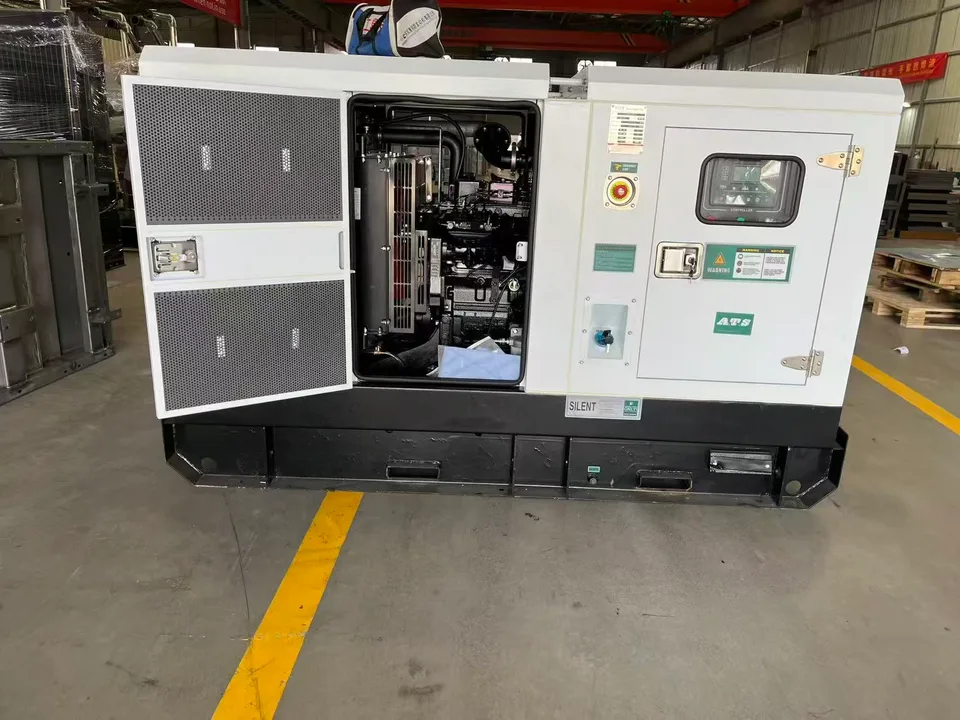
For a first generator order, choose configurations that match identified customer needs or demand for stock, then ask suppliers what quantities and combinations they can supply. Put units requested by specific customers on one list and proposed stock on another. For each customer, note how far the discussion has progressed. Asking for a price does not mean they have placed an order.
Consider a simple stock decision. You buy an open-frame 150 kVA generator, then receive an enquiry for a silent unit of the same rating. The power rating is right, but the buyer needs a sound-attenuated enclosure. Before adding a unit to the first shipment, work through the details that would make a buyer accept or reject it.
Which enquiries should shape your first order?
Look at the requirements behind your enquiries. Are buyers asking for backup power during outages or a set that will run regularly? Which voltage and frequency do they need? Are several enquiries for the same configuration, or do they share only a kVA figure?
Record the answer beside each proposed purchase. For a named customer, note what has been confirmed and what is still under discussion. For stock, identify the recurring requirement you intend to serve. Keep customer names and contact details in your own records; suppliers can work from a reference number and the necessary specifications.
If your enquiry history is short, leave uncertain models available to order rather than automatically adding them to stock. The right starting quantity depends on the demand you can substantiate, the funds you can commit and how replenishment will work.
A useful example: two different 150 kVA configurations
The ZC-120H catalogue entry lists an open-frame set rated at 150 kVA / 120 kW prime power, with 400/230 V, 50 Hz, three-phase output. The specification lists a Ricardo R6105IZLD engine, a ZC-4-120 alternator and a SmartGen controller. It does not identify the controller model.
ZHONGCHAI also has a documented 150 kVA Ricardo silent-generator order for Kenya. That case covers production, testing photographs and dispatch. It is a past order reference, not a current stock listing.
For your purchasing list, these are separate configurations. If your buyer wants a silent unit, request its own specification and packed dimensions. Confirm the exact controller model and whether the required transfer equipment is included. Use the historical case to discuss the type of machine, and the agreed specification to define what you are buying.
Ask what the supplier can deliver as one order
Once you have a shortlist, settle three practical questions before treating it as a batch:
- Is there a minimum order quantity for each proposed model or configuration?
- Can the requested ratings, engine brands and enclosure types be included in the same order?
- When will each model be ready, and can the units be collected together?
Confirm these points with the supplier for the models you plan to buy. If one configuration will be ready later, ask about the options for collecting everything together or arranging separate collections before committing to a customer date.
Use one sheet for the shortlisted units so suppliers respond to the same requirements. For a buyer whose loads remain uncertain, complete the load and generator-selection checks first.
- Purpose and status: Customer requirement with decision stage, or proposed stock; internal reference
- Application and duty: Equipment to power, expected operating hours and site conditions
- Rating and electrical output: Required duty rating—prime or standby as applicable—kVA/kW, voltage, frequency and phases
- Build specification: Engine, alternator, controller model, open/silent enclosure and transfer equipment
- Batch feasibility: Quantity, any minimum quantity, proposed ready date and collection grouping
- Customer handover: Technical sheet, manuals, unit photographs, included accessories and exclusions
- Service preparation: Correct parts references, local technician and supplier support contact
- Collection information: Packed dimensions, gross weight and agreed collection point
Ask the supplier to clarify any missing or unclear details. Before placing the order, keep one agreed version showing any substitutions and their effect on the configuration or readiness date.
Check whether you can support the range
A broader range may mean more service parts and manuals to manage. Show the proposed engine and controller models to the technician who will handle local work. Find out which they can service and what information they need before you promise support to a customer.
Request maintenance-part references for the actual equipment. A kit described only as “for a 150 kVA generator” leaves compatibility unresolved. Cummins, for example, makes parts and service information available by engine serial number or engine family. Keep the relevant identifiers with each unit's service file.
Agree who the customer contacts when something goes wrong, what information the supplier requires, and which work or costs the warranty covers. Keep those answers with the machine's documents so your staff can find them without searching old messages. The after-sales and spare-parts guide provides a fuller checklist.
Prepare the handover while the order is being completed
For each configuration, obtain the technical sheet and manuals you will pass to the buyer. Match photographs to the actual version and label optional accessories. That gives your sales staff a reliable basis for answering enquiries before they advertise the stock.
As the units are completed, keep one register linking each machine's identifiers to its configuration, agreed inspection record, accessories and packing reference. If one unit has an outstanding item, record it against that unit. A video of another generator does not show whether the issue on this unit has been resolved; the pre-shipment evidence guide explains what to request.
ZHONGCHAI supplies generators on EXW terms. Send your China forwarder the actual packing information and proposed collection schedule before booking onward transport. Confirm collection details with both parties. Catalogue dimensions may describe an unpacked machine; your forwarder needs the packed measurements and gross weight. See the collection and shipping guide.
Questions before placing the first order
Should I start with several engine brands?
Include another brand when it serves an identifiable customer requirement and you can support it. Ask the supplier for alternatives if useful, then choose models you understand and can maintain.
Can I approve the batch from one sample?
A sample helps you assess that configuration and the supplier's documentation. Agree the checks and records for the other units separately, including any different configurations.
What should determine the next order?
Record which units sold, which enquiries stalled and why, and which parts or documents customers needed. For example, repeated requests for a silent enclosure are a reason to review an open-frame stock choice. Use the actual pattern to adjust the next order.
Discuss your first-order shortlist
ZHONGCHAI (Hunan Zhongchai Electromechanical Equipment Co., Ltd.) is a China-based generator supplier. Start your enquiry on our contact page. The initial form asks about the power you need, whether the generator is for your own use or resale, and whether you have bought equipment from China before. After saving your answers, you can continue on WhatsApp. For that discussion, have your country, proposed configurations, quantities and purchasing schedule ready. Explain which units are for specific customers, which are for stock, and what is still undecided.