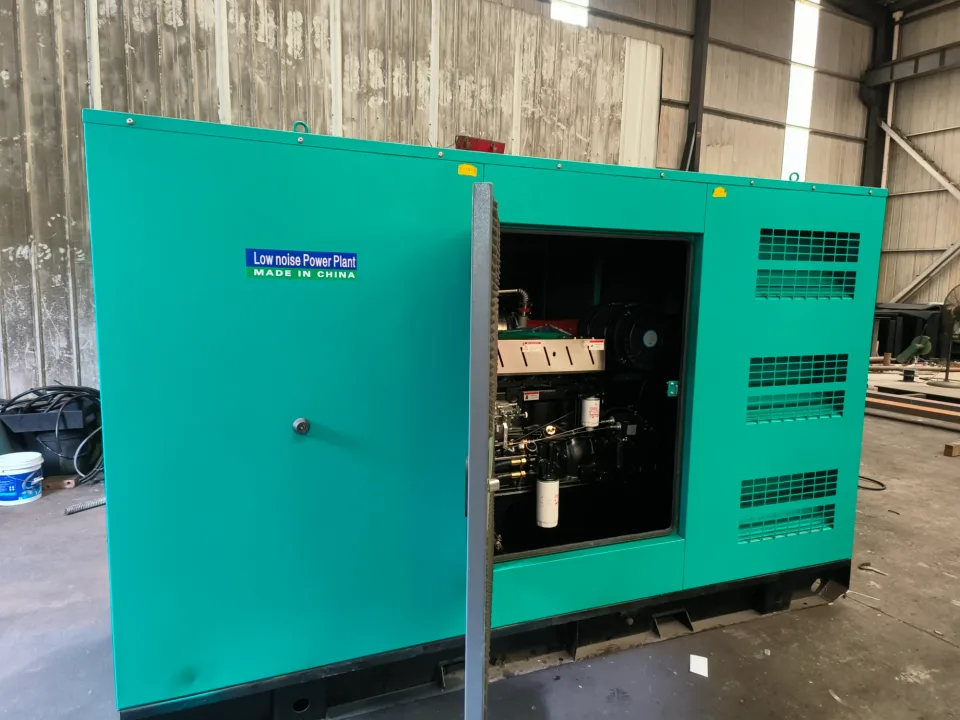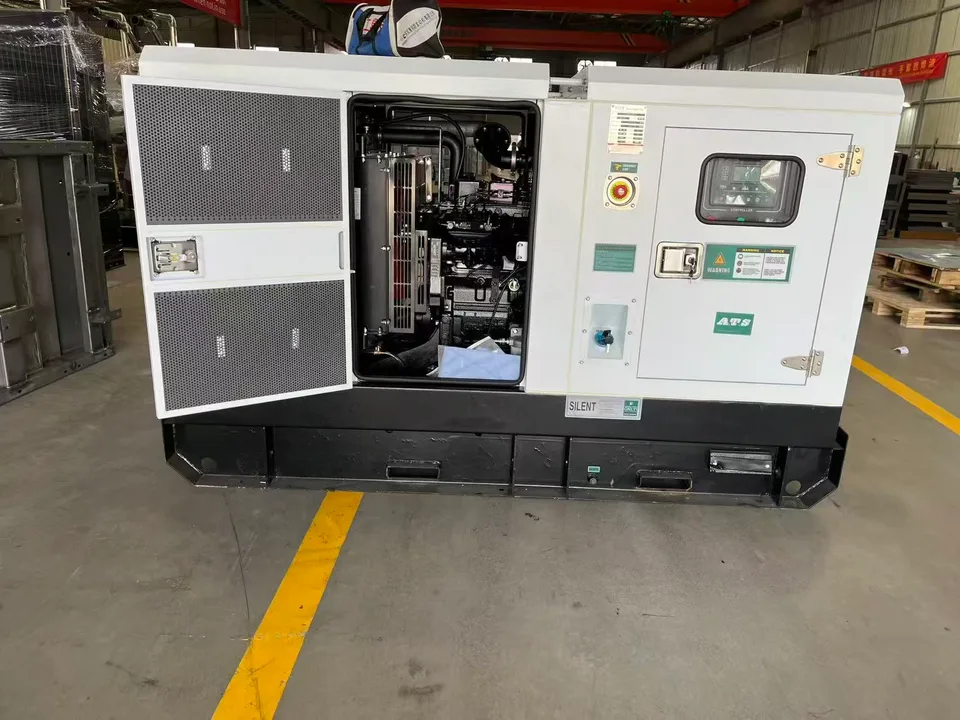
Before approving collection, match the test record to the serial number on the generator. Then check what load was applied, how long the test ran and what was measured. A report headed 'passed' needs enough detail for you to understand the result.
Agree these requirements while discussing the order, so the supplier can plan the test and the records you need. Use the actual manufacturer's instructions and the written specification to set the acceptance criteria for that unit.
Make the test unit-specific
A test report is only useful if it identifies the machine it describes. Before production starts, agree that the documents will carry:
- the generator set model and the engine and alternator model numbers from your quotation;
- the set's serial number;
- the test date and, where relevant, the ambient conditions recorded during the run.
A report without this identification cannot be matched to your shipment. Photographs of a finished set are useful progress records, but they do not replace a test document: photos alone do not establish the applied load, the full test duration or the complete operating record.
What a factory test typically involves
Manufacturers run different scopes of testing. Rather than assuming one standard routine, ask which of the following the test will cover, and agree the scope in writing:
- start-up checks — the set starts, reaches rated speed and holds voltage and frequency;
- load running — output measured under load, with the electrical values recorded during the run;
- protection functions — shutdown and alarm paths demonstrated;
- any additional checks you have specified, such as a particular running duration or load steps.
Which measurements are taken — voltage, frequency, current, active and apparent power, power factor — depends on the test setup and the instruments used. Agree what will be recorded and in what form, rather than expecting a fixed set of numbers for every order. The acceptance limits come from the applicable manufacturer requirements and your written agreement. Identify them before the test rather than deciding what counts as a pass after seeing the results.
Record the load type and power factor as well as the kW. A resistive run at unity power factor is a different test condition from operation at a rated lagging power factor. Ask which conditions were actually demonstrated; the phrase 'full load' on its own leaves that unclear.
Tie the documents to the order
Alongside the test record, the pre-shipment pack should let you verify that the machine matches the quotation: the set's identification plates photographed clearly, the confirmed specification sheet, and the packing details agreed under your delivery term. If an inspection is important to you, say who performs it, at which stage, and what access they get — arranged in writing. Confirm access to the identified unit, the available records and the agreed test. The report should state any part of the scope the inspector could not examine.
Other orders are not your evidence
A previous order can illustrate documentation stages. Request the actual unit's record instead of treating an earlier shipment as your acceptance evidence. Keep packing, testing and dispatch files separately labelled so each can be checked against the correct stage.
Close open items before collection
Ask the report to identify defects, incomplete checks and work still required. If a repair or component change follows the test, agree whether further checks are needed and retain the updated results. Keep the final specification and evidence together rather than accepting a mixture of old and revised documents.
Factory evidence covers the conditions recorded there. Site installation and commissioning need their own agreed checks by qualified personnel. A factory report does not replace that site work.
Agree the scope early
Settling these points at the order stage gives both parties time to arrange them. If the set is already built, agree what can still be inspected and tested before collection. Add the test scope, the document list and the identification requirements to your written specification, and keep the quotation's technical lines — engine, alternator, controller and rating — consistent with what the test will report.
For the commercial side of the comparison, see our quotation checklist. Delivery terms and the packing documents are covered in the shipping guide. The 150 kVA Ricardo order for Kenya records production, a photographed testing stage and dispatch for that order. Its test photos do not publish a complete set of measured results. For used equipment, combine test evidence with the history and inspection checks.
Send us your requirements
Tell us the kVA, voltage, frequency and quantity, and the test and document expectations for your order, so we can discuss the available evidence, the written specification and an EXW quotation for the actual supply — contact ZHONGCHAI or browse the catalogue.
Technical background: Cummins load-bank performance testing. This is a general manufacturer reference; the test scope and limits for the offered unit must be confirmed separately.