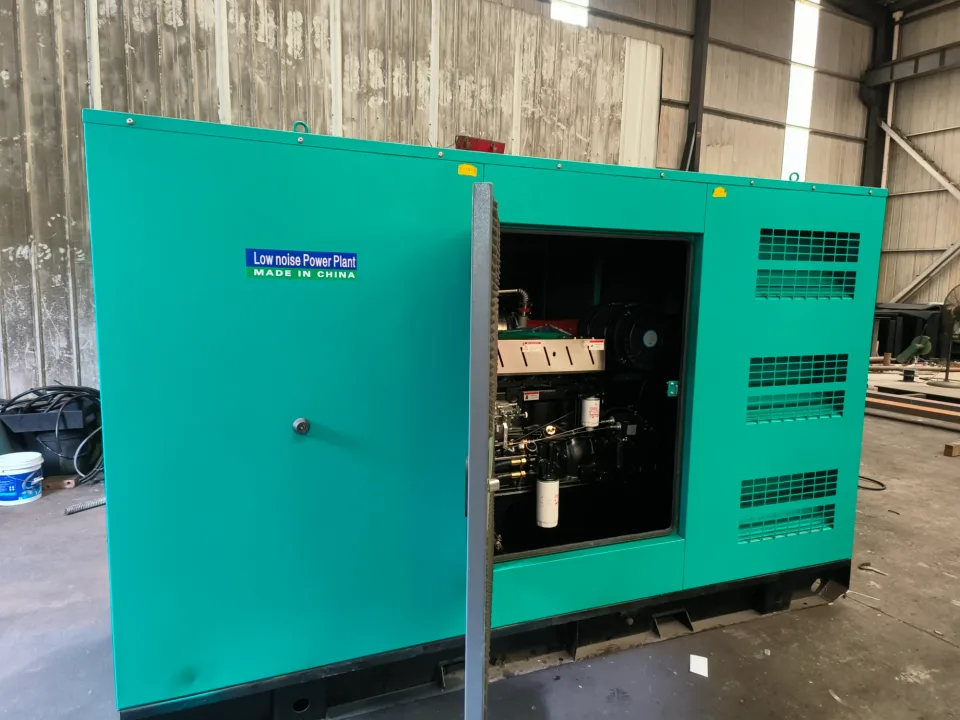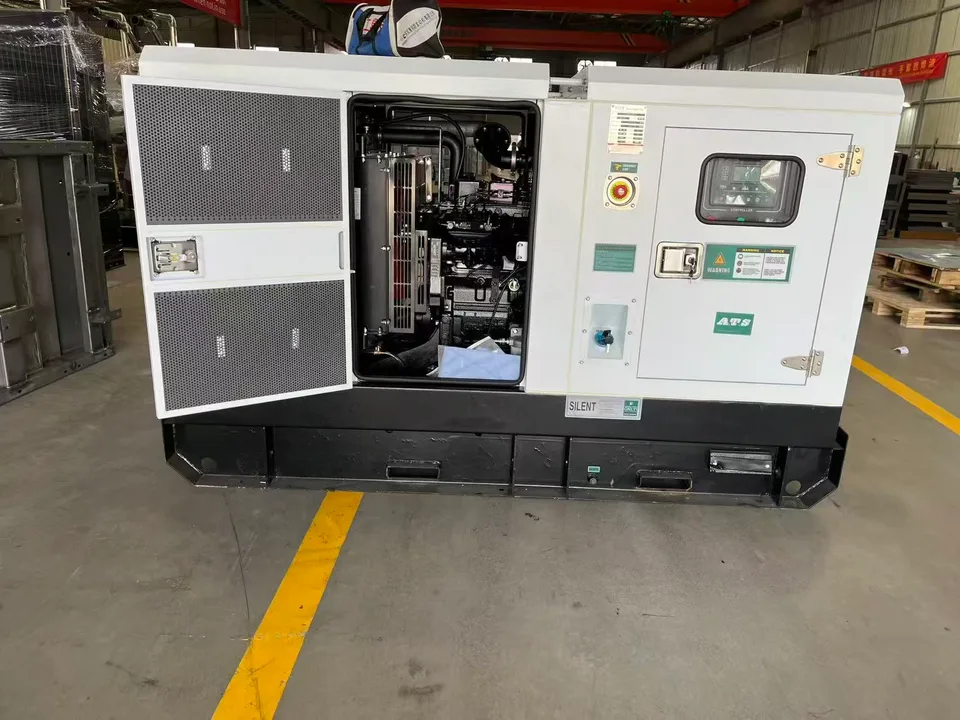
Before shipment: prepare for support
- Obtain the warranty duration or hour limit, start date, exclusions and claim procedure in writing for your actual order.
- Record the engine, alternator, controller and ATS models and serial numbers; agree the manuals, parts list and initial spares.
- Identify who will install and commission the set locally. Confirm remote support, parts availability and shipping costs rather than assuming a local service centre.
For a farm, workshop, hotel or remote site, a useful after-sales plan should exist before shipment. Discuss who will commission the set, maintain it, identify replacement parts and handle a fault. The plan must fit your location and operating pattern; an engine brand alone does not establish the seller's local service coverage.
1. Obtain the warranty terms for the actual order
Ask for the duration and any hour limit, start date, covered components and claim procedure in writing. Identify the responsible party for the assembled generator, engine, alternator, controller and ATS, and any registration or maintenance requirements.
Clarify how consumables, misuse, unsuitable installation, transport damage and third-party work are treated under the actual terms. Ask who pays for diagnosis, labour, travel, replacement-part freight and import charges. A warranty document and an on-site service contract are different arrangements. Do not assume that a general statement such as “international warranty” includes free local attendance.
2. Agree the handover and commissioning scope
Before dispatch, request the order specification, available test record, equipment identification, operating manuals and relevant wiring diagrams. Define the responsible commissioning technician, site electrical work, transfer equipment and operator briefing. Agree what commissioning evidence or acceptance record should be retained.
At receipt, reconcile the set and accessories with the order. Before energizing it, qualified personnel should check installation readiness against the manufacturer instructions. Keep the commissioning date, initial hour reading, settings and acceptance results with the equipment file.
3. Identify parts by the exact equipment
Record the generator model and serial number and the engine, alternator and controller identification. Ask the supplier to provide a parts list tied to that configuration. Perkins' official parts information, for example, uses engine identification to help match parts; a similar-looking engine or the same kVA rating is not a reliable compatibility check.
Discuss an initial consumables kit covering the relevant filters and service items. Confirm part numbers, quantities, storage conditions, prices and availability. Consider your site's duty, the supplier's replenishment route and local availability before deciding stock levels. Do not order an expensive component solely from a photograph.
4. Set maintenance from the correct manual
Obtain the manual for the supplied engine and generator. Use its operating-hour and calendar requirements, fluid specifications and site-condition guidance; there is no single service interval suitable for every model. Perkins publishes model-specific operation and maintenance manuals, and Cummins provides its own manual access.
Keep a log of hours, service dates, inspections, fluids and parts used, and the person doing the work. Discuss dusty, hot or demanding operation with the responsible service provider. This guide does not prescribe a universal oil grade, filter interval or repair procedure.
5. Establish the support route before a fault
Record the seller's contact, a backup contact, the local technician and any manufacturer/distributor contact confirmed for the equipment. Ask what remote diagnosis and on-site attendance are available for your town, their scope and charges, and how parts can be delivered. Confirm response arrangements in writing where uptime is critical; this website does not promise a response time or an African service location that has not been agreed.
6. Send a clear support request
- Order reference, site country/town and equipment serial numbers.
- Commissioning date, running hours and recent service history.
- Exact alarm code and photographs of the display/nameplate.
- What happened, operating load and circumstances immediately beforehand.
- Any visible leak, smoke, damage or unusual noise; photos taken safely.
- Current equipment status and the local technician's observations.
Do not repeatedly reset protective trips or bypass safety devices to keep running. If there is an unsafe condition, stop operation using the applicable instructions and obtain qualified assistance.
Questions to settle before paying
Who covers which component? When does coverage start? Which costs are excluded? Who commissions the equipment? Which consumables ship with it? How are part numbers confirmed? What local support has actually been arranged? Put the answers with the quotation and order documents.
Continue planning
Use generator selection and shipping preparation alongside the documented orders. For a new purchase, save your requirements first before continuing on WhatsApp. Existing customers can use the contact details in their order documents or the contact page for support coordination.
Official references: Perkins operation and maintenance manuals, Perkins engine identification and Cummins manuals. Reference links do not imply dealer authorization or warranty eligibility.
Prepared by ZHONGCHAI · Updated 20 October 2026. Warranty, spare parts, commissioning and service scope follow the written agreement for the specific order.