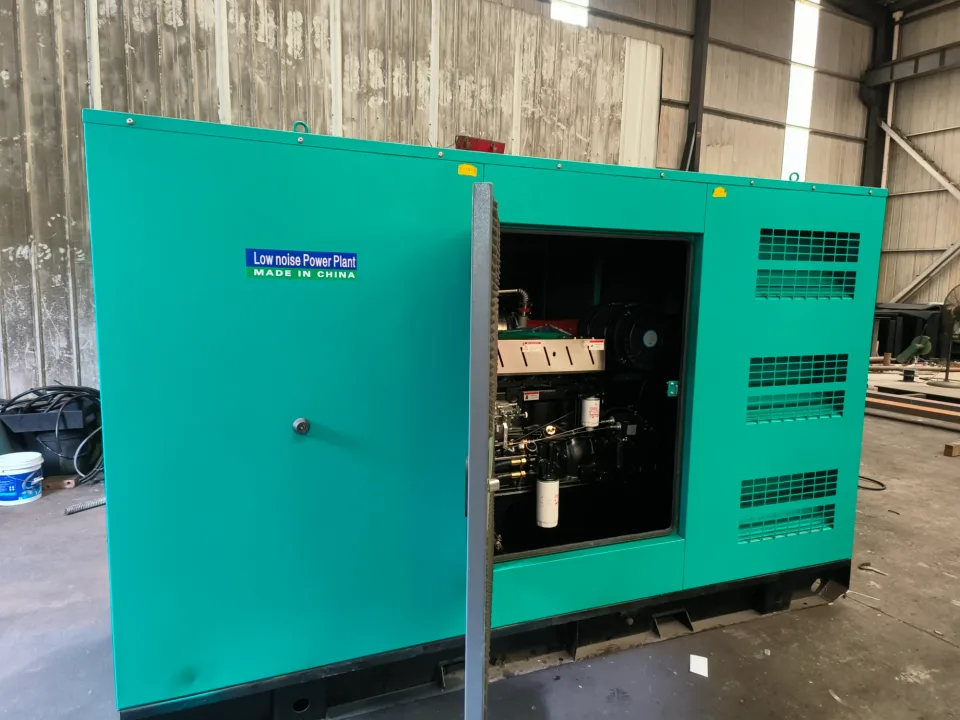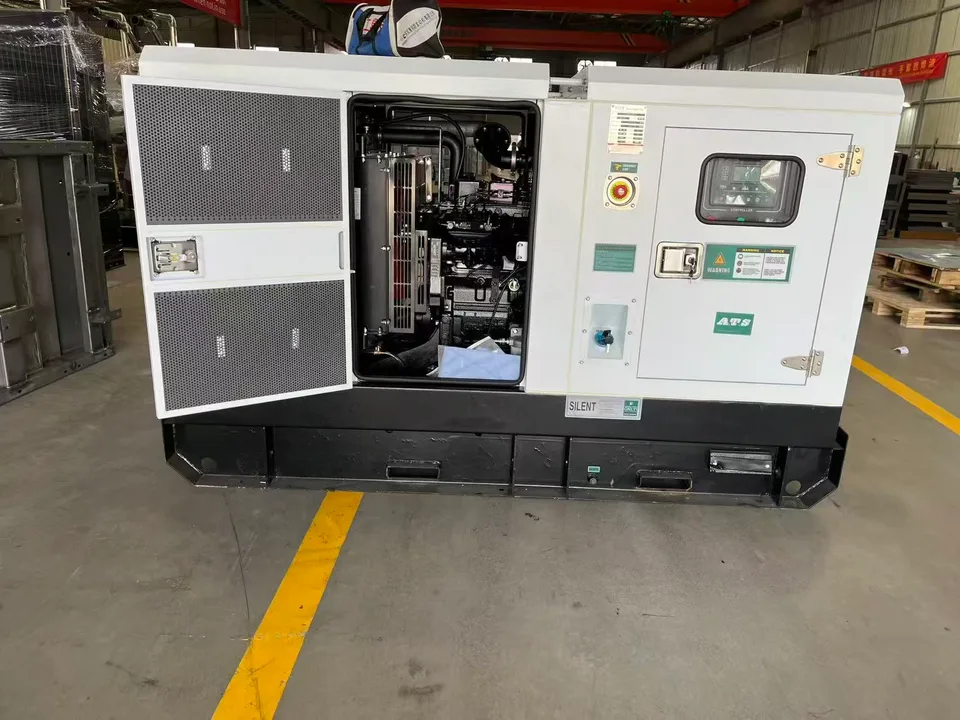
Look at two 125 kVA quotations from our catalogue. The ZC-100YC and ZC-100H both list 100 kW prime at 400/230 V and 50 Hz. One electrical table also gives a standby output. The other gives a standby figure only under engine specifications. If you are buying backup power for a customer, that difference matters before you put a number in your own offer.
What can you copy into the quotation?
Each row below uses the product page’s 400/230 V, 50 Hz, three-phase electrical ratings at 0.8 power factor. Read each pair as kVA first, then kW. The enclosure is the version shown in the catalogue.
- ZC-80WC · Weichai WP4.1D113E200 · open. Prime 100 kVA / 80 kW. Standby 110 kVA / 88 kW.
- ZC-80DC · Cummins 6BT5.9-G2 · silent canopy. Prime 100 kVA / 80 kW. Standby 110 kVA / 88 kW.
- ZC-100YC · Yuchai YC4A180L-D20 · silent canopy. Prime 125 kVA / 100 kW. Standby 137.5 kVA / 110 kW.
- ZC-100H · Ricardo R6105AZLD · open. Prime 125 kVA / 100 kW. Standby pending confirmation.
Source rows appear under “Electrical ratings by voltage” on each product page. ZC-80WC · ZC-80DC · ZC-100YC · ZC-100H
Why is the Ricardo standby box open?
Scroll up the ZC-100H page and you will find 121 kW beside “Engine standby power”. That describes the engine’s mechanical rating. Your customer takes electrical power from the complete generator set. Scroll down to the 400/230 V electrical table and you will find 100 kW and 125 kVA, both marked prime. I would enter those two numbers and ask the supplier for a dated generator-set standby rating for this build. Copying 137.5 kVA from the adjacent Yuchai row would put an unsupported figure on the Ricardo offer. ZC-100H engine and electrical tables
Which figure should the customer size against?
Say your customer expects a workshop to draw 85 kW for much of a working day, with the load varying as equipment cycles. Both 100 kVA models in the table have an 80 kW prime rating. The 88 kW standby figure does not make either one an 85 kW prime-duty offer. The two 125 kVA models give you a 100 kW prime row to investigate. Before choosing either, ask about running hours, average load, the largest motor start and the site conditions. A kW comparison alone cannot settle starting performance or the permitted duty.
For an outage-only application, ask for the allowable hours and average load under the offered standby rating. For a constant load around the clock, ask specifically for the continuous rating and conditions. Only include overload capacity if the manufacturer gives the amount, duration and recovery interval for that configuration.
One line I would ask the supplier to complete
Please confirm the complete set model and engine, prime ___ kVA / ___ kW, standby ___ kVA / ___ kW, at ___ V, ___ Hz, ___ phases and rated power factor ___. Please attach the matching electrical rating sheet and state any site derating.
Keep that line with the price. If the supplier changes the engine, frequency or alternator during negotiation, check the electrical rating again before passing the revised offer to your customer.